“There’s a lot of fear”: ICE fears disrupt business for vendors and employees in Los Callejones
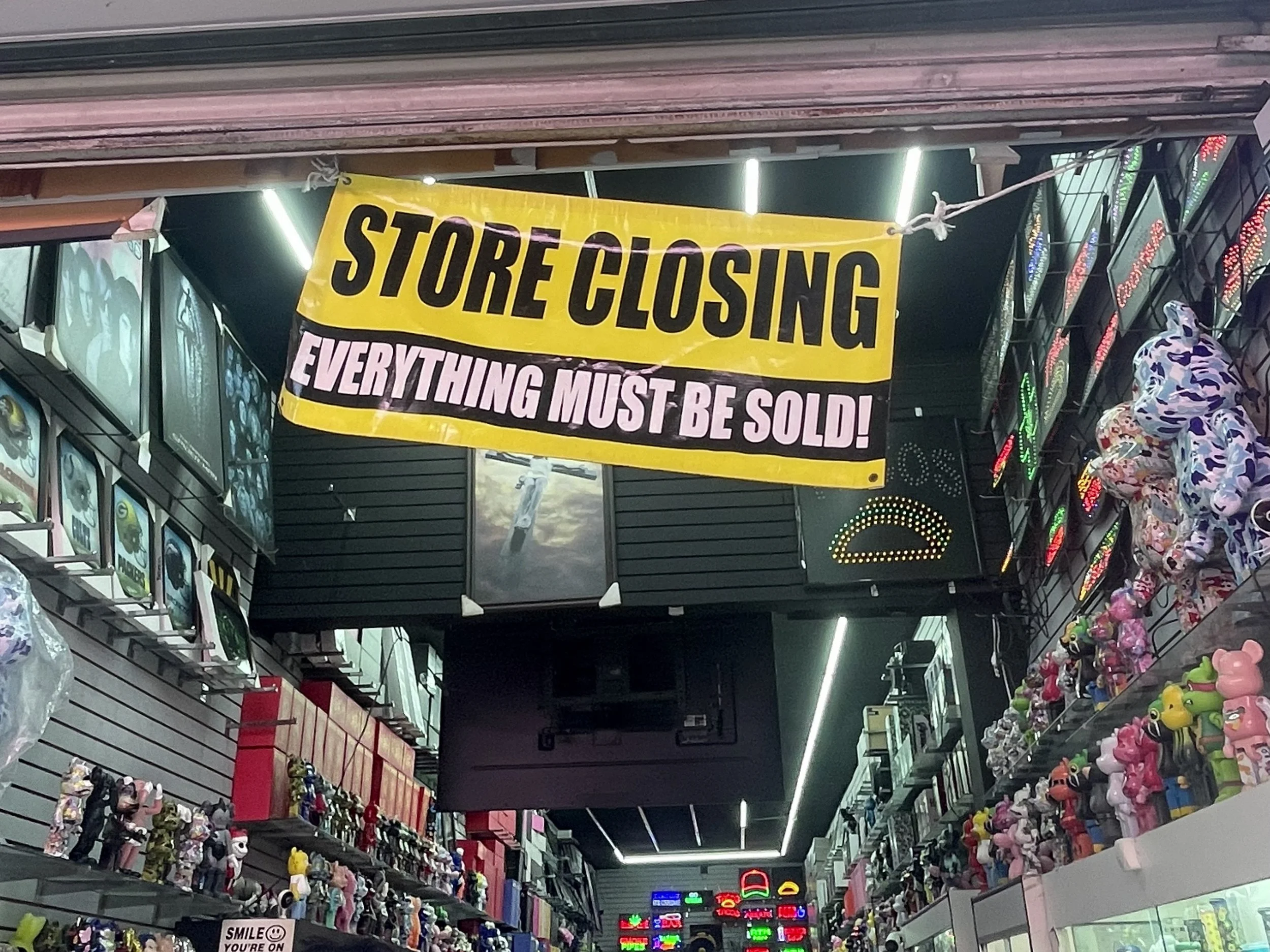
One of many stores in Santee Alley, also known as “Los Callejones,” that has had to shut down in recent times. Photo by Miguel Nicolas
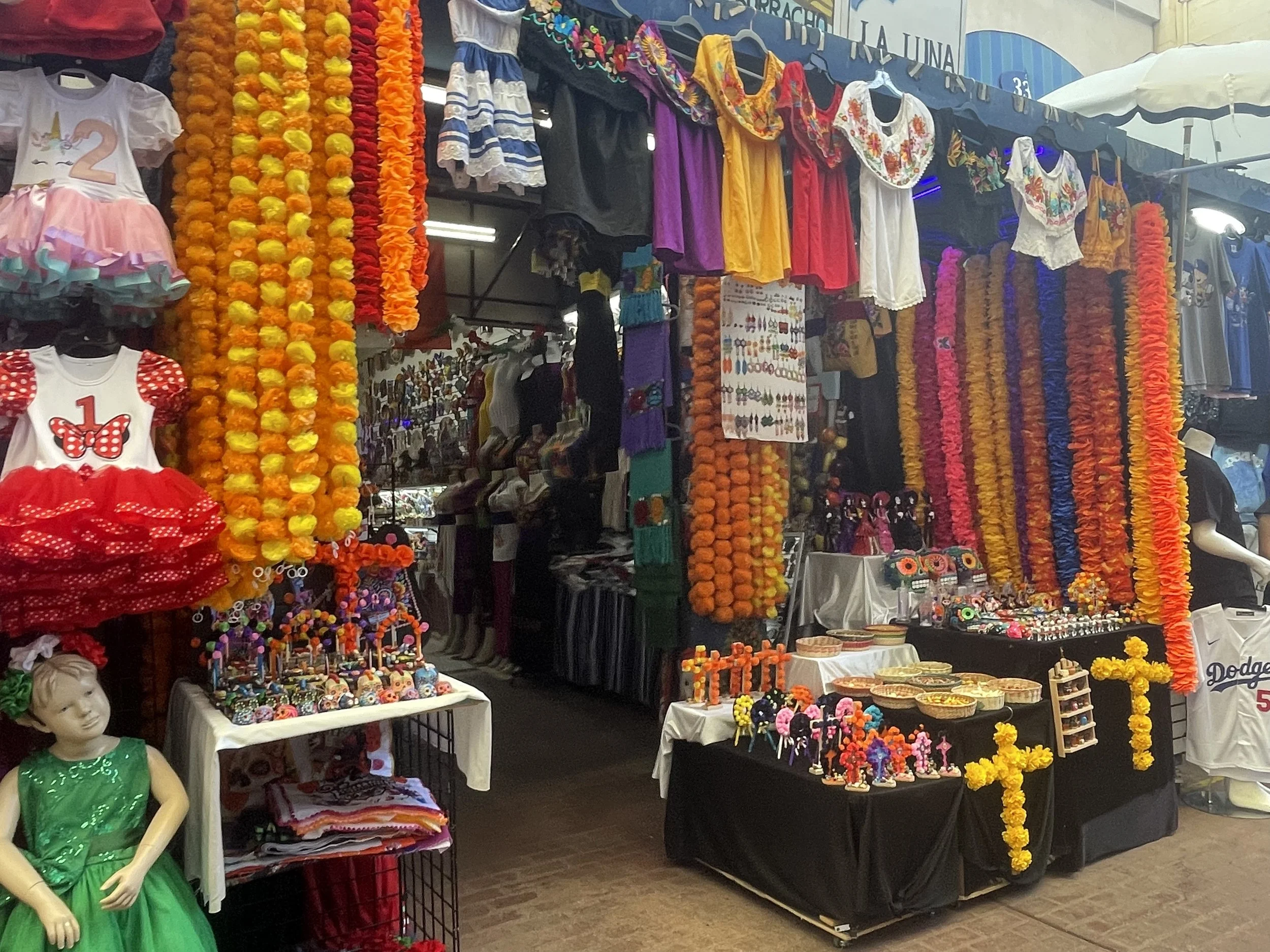
The aisles of Santee Alley—commonly known as Los Callejones—are no longer as crowded as they once were. Once filled with culture, vendors, and music, they served as a hub for Hispanic culture. With the current political climate in the U.S. surrounding immigration enforcement and the U.S. Immigrations and Customs Enforcement (ICE), the Hispanic community has been left terrified.
The impact has created a domino effect throughout Los Callejones affecting the community, customers, and most notably, the vendors and employees who rely on the area for their livelihood.
Recent reports from Los Angeles Times highlighted that immigration enforcement efforts in Los Angeles have increased, with federal agents using new, faster tactics that can result in arrests in as little as 30 seconds. These rapid operations have made it difficult for communities to properly respond while also contributing to the same fear vendors in Los Callejones say has kept customers away.
For Pilar Venegas, who runs the Delicioso Grill stand, that change has been immediate and overwhelming.
“Honestly, it has affected me a lot. It’s been very difficult because sales have gone down. There are no people, they don’t come to Los Callejones, they don’t buy, and all of that affects us a lot,” Venegas indicated.
Venegas emphasized that the impact is shared among vendors throughout the area. These vendors depend on daily foot traffic, making the decline especially damaging. Like Venegas, Concepción “Coni” Arellano, co-owner of La Guerra Hotdogs stand, also described how immigration enforcement has deeply affected her business.
“It has greatly affected us. People don’t come, and businesses go down,” Arellano added. “If we used to make around 400 a day, now we make about 150 or 100 dollars. It’s not enough.”
In her 15 years working in Los Callejones, this is the first time Arellano has witnessed a decline in businesses like such.
"Now all the businesses, not just mine, everyone has been affected by the raids,” Arellano shared.
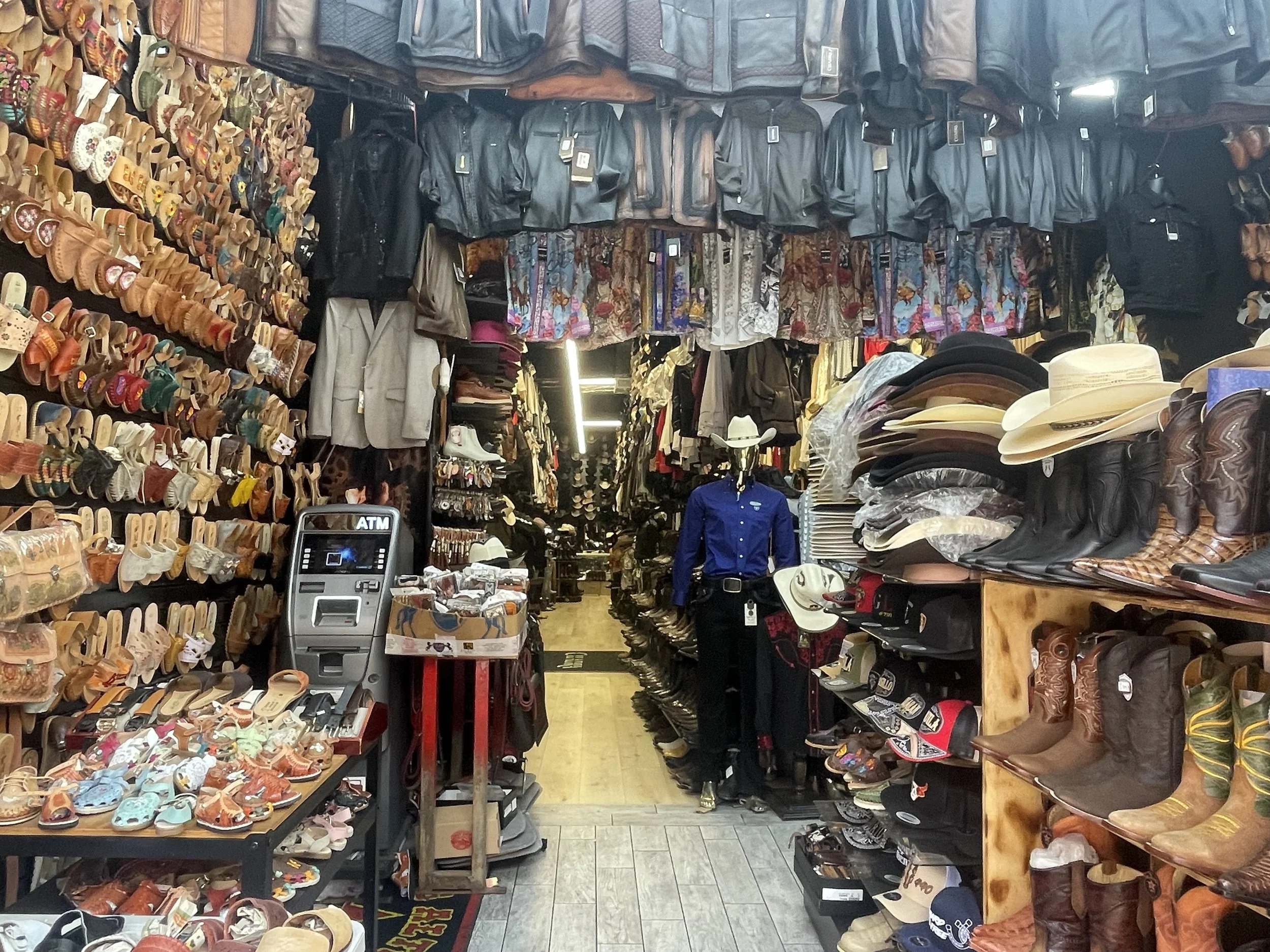
Many of the stores in Los Callejones are dedicated to products and services related to Latine culture. Photo by Miguel Nicolas
Beyond the economic strain, Arellano emphasized the emotional toll that has sparked vulnerability within the community. She said people often confide in her, sharing their experiences as business owners, customers, and even victims of ICE operations.
“We talk to many people here, we hear their thoughts and feelings… some have had their family members taken,” Arellano expressed.
Additionally, with high rent costs in the area, the drop in customers has made it even harder for vendors to stay afloat.
“Being in this area… rent is very high, and if there are no sales, how do you survive those rents?” Arellano said.
While vendors face the direct financial impact, workers like Inés Pérez experience the effects differently, highlighting how the downturn extends beyond business owners. Inés Pérez, a retail worker in Los Callejones, shared how the decline in customers has directly affected both business owners and employees.
“It has directly affected us because people don’t come… from being at 100%, now we are at 40, 50, or 70%,” commented said.
Pérez’s experience shows that the impact of immigration enforcement affects workers who rely on consistent hours and wages. Pérez also pointed to the visible changes throughout the area.
“There are many shops closed… and even then, we still come every day,” Pérez added.
Despite the decline, she expressed hope that the community can help restore the area given to Los Callejones. As a historical place filled with culture in Los Angeles, it needs to be restored and should receive as much importance as other landmarks.
“We want to rebuild downtown to what it once was, because it has declined,” Pérez added. “The alley here in Los Angeles is a historic place. What we ask for is support so that as a community we can move forward,” Pérez said.
Pérez urged the public to take a stance and restore and support local vendors.
“If you support us, come back to downtown so it can become what it once was,” Pérez said.
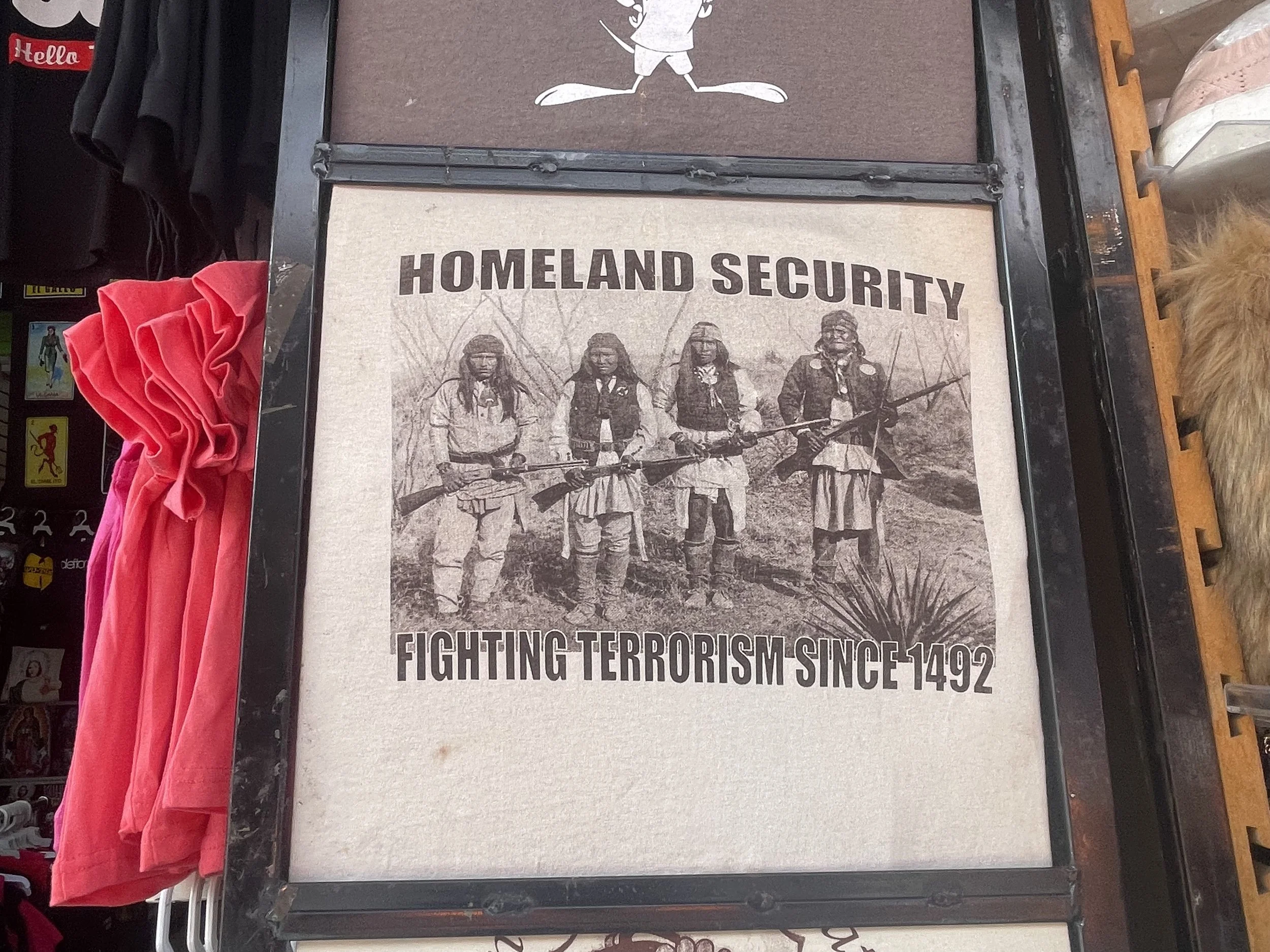
Some stores in Los Callejones have began selling articles with anti-ICE messaging. Photo by Miguel Nicolas
Some of these businesses carry financial responsibilities beyond the personal ones like bills, rent and inventory. Venegas explained how there are costs beyond the usual. “It’s not my cart, I rent it, and it has been very difficult,” she said.
According to Venegas, the slowdown is tied to fear surrounding immigration enforcement.
“There is a lot of fear. With everything happening with immigration… people don’t come anymore, there are no sales, no business. Many people are closing their shops,” Venegas said.
She described a growing sense of fear among both vendors and customers. That fear shapes daily decisions, raising questions about whether it is safe to return to work. Venegas shared the concerns she faces every morning before heading to work.
“I always say I have to go out because I need to earn my daily bread… it won’t fall from the sky for me.” Venegas also added “there are times I say, ‘I have to go to work,’ but I just pray we don’t run into immigration.”
Despite the challenges, Venegas continues working out of necessity. She feels limited in how much she can support her family compared to before.
“It feels bad… now I am just surviving,” Venegas said.
In the face of these challenges, Venegas remains determined to keep going, sending a message to everyone.
“We have to keep pushing forward… we can’t just stand still,” Venegas said.
With fewer customers and a growing ICE presence, vendors and workers like Venegas, Arellano, and Pérez continue fighting to survive, balancing uncertainty with resilience. Now, preserving the essence of Los Callejones depends on the support of the community.